
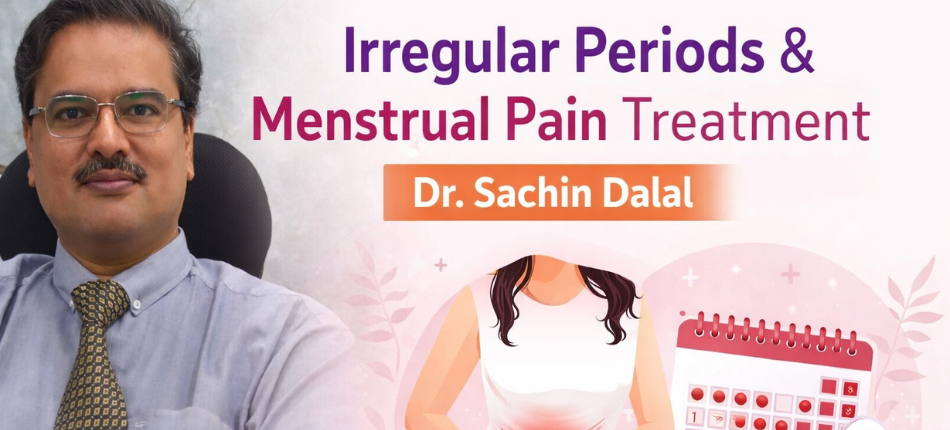
Irregular Periods & Menstrual Pain Treatment | Dr. Sachin Dalal
Irregular periods are a common concern faced by many women at different stages of life. A healthy menstrual cycle is an important indicator of a woman’s reproductive health. However, when periods become unpredictable, too frequent, too late, or unusually heavy, it may indicate an underlying medical issue.
Irregular Periods & Menstrual Pain Treatment offers expert care to relieve discomfort, regulate cycles, and restore hormonal balance with safe, personalized medical solutions for better reproductive health.
What Are Irregular Periods?
A normal menstrual cycle usually occurs every 21 to 35 days. When your period cycle becomes inconsistent or unpredictable, it is referred to as irregular periods.
Common irregularities include:
• Periods arriving earlier or later than usual
• Skipping periods for months
• Very heavy or very light bleeding
• Bleeding between periods
• Periods lasting more than 7 days
While occasional irregularity can occur due to stress or lifestyle changes, frequent irregular cycles may require medical evaluation.
Common Causes of Irregular Periods
Several factors can affect menstrual cycles. Some of the most common causes include:
Hormonal Imbalance
Hormonal imbalance is one of the most common causes of irregular periods. The menstrual cycle is regulated by hormones such as estrogen and progesterone, which control ovulation and the shedding of the uterine lining. When these hormones are not produced in the correct balance, the menstrual cycle may become unpredictable. Women with hormonal imbalance may experience delayed periods, skipped cycles, heavy bleeding, or spotting between periods. Factors such as stress, poor diet, obesity, certain medications, or medical conditions can disrupt hormonal balance. Proper diagnosis and treatment from a gynecologist like Dr. Sachin Dalal can help restore hormonal balance and regulate menstrual cycles.
Polycystic Ovary Syndrome (PCOS)
Polycystic Ovary Syndrome (PCOS) is a common hormonal disorder that affects many women of reproductive age and is a major cause of irregular periods. In PCOS, the ovaries may produce higher levels of male hormones (androgens), which interfere with normal ovulation. As a result, women may experience infrequent periods, missed cycles, or prolonged bleeding. Other symptoms of PCOS may include weight gain, acne, excessive facial hair, and difficulty conceiving. Early diagnosis and proper treatment are important to manage PCOS and prevent complications such as infertility or diabetes. With the right medical guidance and lifestyle changes, women with PCOS can effectively manage their symptoms and improve menstrual regularity.
Stress & Lifestyle Changes
Stress and sudden lifestyle changes can significantly affect the menstrual cycle. When the body experiences high levels of stress, it produces hormones such as cortisol, which can interfere with reproductive hormones responsible for regulating periods. Factors like lack of sleep, excessive exercise, unhealthy diet, emotional stress, or drastic weight changes can disrupt the body’s natural hormonal balance. As a result, women may experience delayed periods, missed cycles, or irregular bleeding. Managing stress through relaxation techniques, regular exercise, balanced nutrition, and maintaining a healthy lifestyle can help restore menstrual regularity and overall reproductive health.
Thyroid Disorders
The thyroid gland plays a crucial role in regulating metabolism and hormone production in the body. Disorders such as hypothyroidism (underactive thyroid) or hyperthyroidism (overactive thyroid) can interfere with the normal menstrual cycle. Women with thyroid disorders may experience irregular periods, heavy bleeding, lighter periods, or even missed cycles. Thyroid imbalance can also cause symptoms such as fatigue, weight changes, hair loss, and mood fluctuations. Proper thyroid testing and treatment can help restore hormonal balance and regulate menstrual cycles. Early medical consultation is important to manage thyroid-related menstrual problems effectively.
Birth Control Methods
Certain birth control methods can also cause irregular periods, especially during the initial months of use. Hormonal contraceptives such as birth control pills, injections, implants, or intrauterine devices (IUDs) work by altering hormone levels in the body to prevent pregnancy. These hormonal changes can sometimes lead to lighter periods, irregular bleeding, spotting between cycles, or even skipped periods. In most cases, the body gradually adjusts to the contraceptive method, and the menstrual cycle becomes more regular over time. However, if irregular bleeding persists or becomes severe, consulting a gynecologist is recommended to evaluate the situation and choose the most suitable birth control option.
Symptoms Associated with Irregular Periods
Women experiencing irregular periods may also notice additional symptoms such as:
• Acne or oily skin
• Excess facial hair
• Mood swings
• Pelvic pain
• Unusual vaginal discharge
• Difficulty getting pregnant
If these symptoms persist, it is important to consult a specialist.
Diagnosis of Irregular Periods
Diagnosing irregular periods involves a thorough medical evaluation to identify the underlying cause of the menstrual imbalance. A gynecologist typically begins by reviewing the patient’s medical history, menstrual cycle pattern, lifestyle habits, and any associated symptoms such as pelvic pain, excessive bleeding, or missed periods. The doctor may ask about factors like stress levels, recent weight changes, medications, and reproductive health history. To obtain a clearer understanding, certain diagnostic tests may be recommended, including blood tests to check hormone levels, thyroid function tests, and ultrasound scans to examine the uterus and ovaries. In some cases, additional tests may be required to detect conditions such as Polycystic Ovary Syndrome (PCOS), hormonal imbalance, or uterine abnormalities. An accurate diagnosis helps doctors develop a personalized treatment plan to regulate menstrual cycles and improve overall reproductive health. Consulting an experienced gynecologist like Dr. Sachin Dalal ensures proper evaluation and effective management of irregular periods.
Treatment for Irregular Periods
Treatment depends on the underlying cause of the irregularity. Dr. Sachin Dalal offers personalized treatment plans that may include:
Hormonal Therapy
Medications may be prescribed to regulate hormone levels and restore normal menstrual cycles.
PCOS Management
Lifestyle changes, medications, and hormonal therapy help manage PCOS symptoms.
Thyroid Treatment
If thyroid imbalance is the cause, proper thyroid medication can regulate cycles.
Lifestyle Modifications
Healthy diet, regular exercise, stress management, and maintaining a healthy weight can significantly improve menstrual health.
When Should You See a Doctor?
You should consult a gynecologist if:
• Periods stop for more than 3 months
• Bleeding is extremely heavy
• Periods occur more than once in 21 days
• Severe pain occurs during menstruation
• Difficulty conceiving
Early diagnosis can prevent complications and improve reproductive health.
Why Choose Dr. Sachin Dalal for Irregular Period Treatment?
Dr. Sachin Dalal is a highly experienced gynecologist known for providing comprehensive care for women’s health issues, including irregular periods. He focuses on identifying the root cause of menstrual problems through accurate diagnosis and advanced medical evaluation. Dr. Dalal offers personalized treatment plans tailored to each patient’s condition, ensuring effective and long-term relief. With a patient-friendly approach and modern treatment methods, he helps women restore hormonal balance and maintain better reproductive health.
Book Your Consultation Today
If you are experiencing irregular periods, do not ignore the symptoms. Early medical guidance can prevent complications and improve your overall health.
Schedule your consultation with Dr. Sachin Dalal today and take the first step towards a healthier menstrual cycle.
Irregular Periods & Menstrual Pain Treatment Irregular Periods & Menstrual Pain Treatment Irregular Periods & Menstrual Pain Treatment Irregular Periods & Menstrual Pain Treatment Irregular Periods & Menstrual Pain Treatment Irregular Periods & Menstrual Pain Treatment Irregular Periods & Menstrual Pain Treatment Irregular Periods & Menstrual Pain Treatment Irregular Periods & Menstrual Pain Treatment Irregular Periods & Menstrual Pain Treatment