
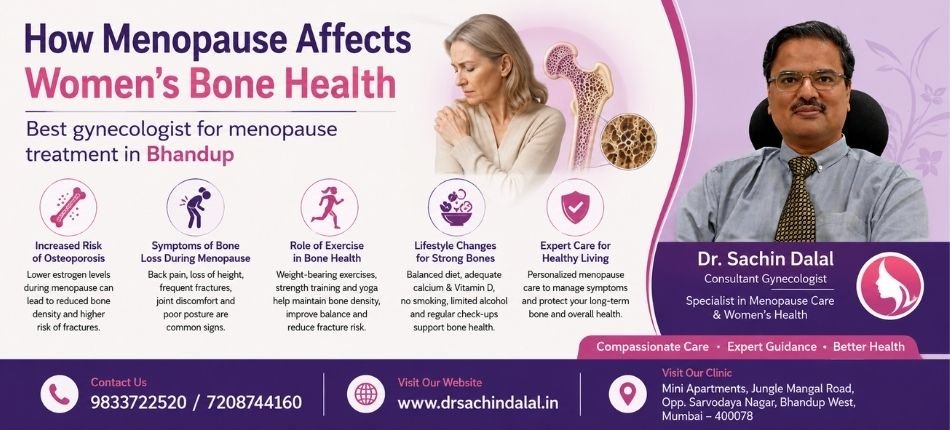
How Menopause Affects Women’s Bone Health | Best gynecologist for menopause treatment – Dr. Sachin Dalal
Introduction
Menopause is a natural stage in a woman’s life that marks the end of her reproductive years. While menopause brings several hormonal changes, one of the most significant health concerns associated with it is declining bone health. Many women are unaware that menopause can increase the risk of osteoporosis and bone fractures due to reduced estrogen levels. Understanding the connection between menopause and bone health is essential for maintaining strong bones and overall well-being.
Why Does Menopause Affect Bone Health?
Estrogen plays a crucial role in maintaining bone density. During menopause, estrogen production decreases significantly, causing bones to lose calcium and minerals more rapidly. As a result, bone breakdown occurs faster than bone formation, leading to reduced bone density and increased fragility.
Women may lose a significant percentage of their bone mass within the first few years after menopause, making them more susceptible to fractures and osteoporosis.
Increased Risk of Osteoporosis
Osteoporosis is one of the most common health concerns associated with menopause. As estrogen levels decline, the body’s ability to maintain bone density decreases, causing bones to become thinner, weaker, and more fragile. This gradual loss of bone mass increases the risk of fractures, especially in the hips, spine, and wrists. Since osteoporosis often develops without noticeable symptoms in its early stages, many women remain unaware of the condition until a fracture occurs. Regular bone health assessments and preventive measures are essential for reducing the risk of osteoporosis after menopause.
Symptoms of Bone Loss During Menopause
Bone loss during menopause is often called a “silent condition” because it may not cause obvious symptoms initially. However, as bone density continues to decrease, women may experience persistent back pain, a reduction in height, stooped posture, joint discomfort, and an increased tendency for fractures from minor falls or injuries. Some women may also notice reduced mobility and difficulty performing daily activities. Early detection through regular health checkups and bone density screening can help identify bone loss before it leads to serious complications.
Importance of Calcium and Vitamin D
Calcium and Vitamin D are essential nutrients for maintaining healthy bones. Calcium helps strengthen bones, while Vitamin D improves calcium absorption.
Good sources include:
- Milk and dairy products
- Green leafy vegetables
- Almonds
- Fish
- Fortified foods
- Sunlight exposure
A balanced diet combined with supplements, if necessary, can significantly improve bone health.
Role of Exercise in Bone Health
Regular exercise plays a vital role in maintaining strong and healthy bones during and after menopause. Weight-bearing activities such as walking, jogging, stair climbing, and strength training stimulate bone formation and help slow bone loss. Exercise also improves muscle strength, flexibility, balance, and coordination, reducing the risk of falls and fractures. Additionally, physical activity supports overall health by improving cardiovascular fitness, maintaining a healthy weight, and enhancing emotional well-being. Incorporating regular exercise into daily routines can significantly contribute to long-term bone health.
Lifestyle Changes for Strong Bones
Adopting healthy lifestyle habits is one of the most effective ways to protect bone health during menopause. Women should consume a balanced diet rich in calcium, vitamin D, protein, and other essential nutrients that support bone strength. Avoiding smoking and limiting alcohol consumption can further reduce bone loss and improve overall health. Maintaining a healthy body weight, staying physically active, getting adequate sunlight exposure, and attending regular medical checkups are also important for preserving bone density. These lifestyle changes not only strengthen bones but also promote better overall health and quality of life during menopause.
When to Consult a Gynecologist?
Women approaching menopause should seek medical advice if they experience:
- Early menopause
- Family history of osteoporosis
- Frequent fractures
- Chronic joint pain
- Significant height loss
A gynecologist can recommend bone density tests and preventive treatment strategies.
Why Choose Dr. Sachin Dalal?
Dr. Sachin Dalal is a trusted gynecologist in Bhandup with extensive experience in women’s health and menopause management. He provides comprehensive evaluation, personalized treatment plans, and preventive care to help women maintain strong bones and a healthy lifestyle during menopause.
Conclusion
Menopause can significantly impact bone health due to hormonal changes, increasing the risk of osteoporosis and fractures. However, early intervention, proper nutrition, regular exercise, and expert medical guidance can help women maintain strong and healthy bones. Consulting an experienced gynecologist like Dr. Sachin Dalal ensures effective menopause management and improved quality of life.
Best gynecologist for menopause treatment in Bhandup Best gynecologist for menopause treatment in Bhandup Best gynecologist for menopause treatment in Bhandup Best gynecologist for menopause treatment in Bhandup Best gynecologist for menopause treatment in Bhandup Best gynecologist for menopause treatment in Bhandup