
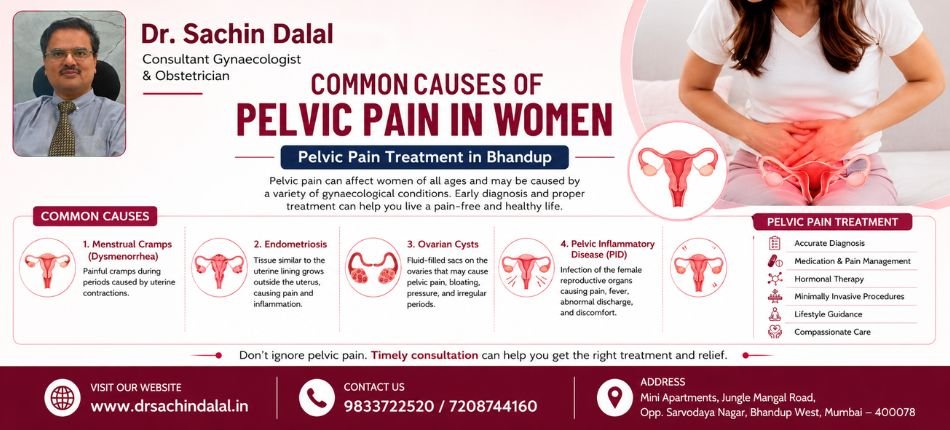
Common Causes of Pelvic Pain in Women | Pelvic Pain Treatment in Bhandup – Dr. Sachin Dalal
Introduction
Pelvic Pain Treatment in Bhandup is essential for women experiencing persistent discomfort in the lower abdomen or pelvic region. Pelvic pain can affect women of all ages and may range from mild discomfort to severe pain that interferes with daily life. While occasional pelvic discomfort may not always indicate a serious problem, recurring or severe pain should never be ignored.
Understanding the common causes of pelvic pain can help women seek timely medical attention and receive appropriate treatment.
What is Pelvic Pain?
Pelvic pain refers to pain experienced in the lower abdomen, below the belly button, and between the hips. The pain may be sharp, dull, cramp-like, constant, or intermittent. It can occur during menstruation, ovulation, urination, sexual intercourse, or even during routine activities.
Depending on the underlying cause, pelvic pain may be acute (short-term) or chronic (lasting more than six months).
Common Causes of Pelvic Pain in Women
1. Menstrual Cramps (Dysmenorrhea)
Menstrual cramps, medically known as dysmenorrhea, are one of the most common causes of pelvic pain in women. These cramps occur when the uterus contracts to shed its lining during menstruation. The pain is usually felt in the lower abdomen or pelvic region and may range from mild discomfort to severe cramping. Some women may also experience lower back pain, nausea, fatigue, headaches, or diarrhea along with menstrual cramps. While mild cramps are considered normal, severe or worsening pain may indicate an underlying gynecological condition that requires medical evaluation.
2. Endometriosis
Endometriosis is a condition in which tissue similar to the lining of the uterus grows outside the uterus, commonly affecting the ovaries, fallopian tubes, and pelvic tissues. This misplaced tissue continues to respond to hormonal changes during the menstrual cycle, leading to inflammation, irritation, and pelvic pain. Women with endometriosis often experience painful periods, chronic pelvic pain, pain during intercourse, painful bowel movements, and fertility-related concerns. Early diagnosis and appropriate treatment can help manage symptoms and improve quality of life.
3. Ovarian Cysts
Ovarian cysts are fluid-filled sacs that develop on or inside the ovaries. Most ovarian cysts are harmless and disappear naturally without treatment. However, larger cysts or those that rupture can cause pelvic pain, abdominal bloating, and a feeling of pressure in the lower abdomen. Some women may experience pain on one side of the pelvis, irregular menstrual cycles, or discomfort during physical activities. Regular gynecological check-ups can help monitor ovarian cysts and determine whether treatment is necessary.
4. Pelvic Inflammatory Disease (PID)
Pelvic Inflammatory Disease (PID) is an infection of the female reproductive organs, often caused by untreated bacterial infections. The condition can affect the uterus, fallopian tubes, and ovaries, leading to inflammation and significant pelvic discomfort. Common symptoms include lower abdominal pain, fever, abnormal vaginal discharge, pain during intercourse, and painful urination. If left untreated, PID may result in complications such as infertility or chronic pelvic pain. Prompt diagnosis and treatment are important to prevent long-term reproductive health issues.
5. Uterine Fibroids
Uterine fibroids are non-cancerous growths that develop within or around the uterus. They are common among women of reproductive age and can vary greatly in size and number. Depending on their location and size, fibroids may cause pelvic pain, pelvic pressure, heavy menstrual bleeding, frequent urination, and lower back discomfort. Some women may not experience any symptoms, while others may find that fibroids significantly affect their daily activities. Proper medical evaluation can help determine the most suitable treatment approach based on the severity of symptoms and individual health needs.
When Should You See a Gynecologist?
Seek medical attention if you experience:
- Severe pelvic pain
- Persistent pain lasting several days
- Pain accompanied by fever
- Abnormal vaginal bleeding
- Pain during intercourse
- Sudden sharp pelvic pain
Early diagnosis can help identify the underlying cause and prevent complications.
Treatment Options for Pelvic Pain
Treatment depends on the underlying cause and may include:
- Medication
- Hormonal therapy
- Lifestyle modifications
- Infection management
- Minimally invasive procedures
- Surgical treatment when necessary
A personalized approach ensures optimal results.
Why Choose Dr. Sachin Dalal for Pelvic Pain Treatment in Bhandup?
Dr. Sachin Dalal provides comprehensive evaluation and management of pelvic pain in women. With extensive experience in women’s healthcare, he focuses on identifying the root cause of symptoms and recommending appropriate treatment options tailored to each patient.
Conclusion
Pelvic pain can have various causes, ranging from menstrual cramps to more complex gynecological conditions. Early consultation with a qualified gynecologist can help identify the underlying issue and provide timely treatment. If you are experiencing persistent pelvic discomfort, consult Dr. Sachin Dalal for expert Pelvic Pain Treatment in Bhandup.
Pelvic Pain Treatment in Bhandup Pelvic Pain Treatment in Bhandup Pelvic Pain Treatment in Bhandup Pelvic Pain Treatment in Bhandup Pelvic Pain Treatment in Bhandup Pelvic Pain Treatment in Bhandup